

What Happens If You Die Without a Will? | Maplebrook Wills
Author name
This article provides general information about the intestacy rules in England and Wales as at 31 July 2026. It does not constitute legal, tax or financial advice. The outcome will depend on your family circumstances, asset ownership and the law applying at the date of death. Seek appropriate professional advice before acting on this information.
If you die without leaving a valid will, you are said to have died “intestate”. The law then determines who can inherit the assets forming part of your estate.
Your estate does not automatically pass to the Crown. That generally happens only when no entitled relatives can be found. Even so, the outcome may differ from your wishes. An unmarried partner may receive nothing, an unadopted stepchild will not automatically inherit, and distant relatives could receive part of your estate.
Wales follows the intestacy rules for England and Wales. These apply a fixed order of inheritance and do not consider informal promises or the closeness of a relationship.
What Does Dying Without a Will Mean?
Dying without a will means there is no valid legal document setting out how the assets within your estate should be distributed after your death.
This can happen because you never made a will or because a document was not signed and witnessed correctly. A will may also cover only part of an estate. This is known as partial intestacy.
Before anyone receives an inheritance, the estate will normally be used to pay:
- Funeral expenses
- Outstanding debts
- Estate administration costs
- Any tax due
- Other financial liabilities
What remains is the net estate. This is distributed between the people legally entitled to inherit.
Who Inherits If You Die Without a Will?
Who inherits depends mainly on whether you leave a spouse or civil partner, children or other surviving relatives.
The law follows a set order and does not take account of verbal promises or family expectations.
| Your circumstances | What generally happens |
|---|---|
| You are married or in a civil partnership and have no children or grandchildren | Your spouse or civil partner normally inherits the whole intestate estate. |
| You are married or in a civil partnership, have children and the net estate is worth no more than £322,000 | Your spouse or civil partner normally inherits the whole estate. |
| You are married or in a civil partnership, have children and the net estate exceeds £322,000 | Your spouse or civil partner receives your personal possessions, the first £322,000 and half of the remaining estate. Your children or their descendants share the other half. |
| You have children but no surviving spouse or civil partner | Your children normally inherit in equal shares. |
| You have no spouse, civil partner or descendants | The estate passes to other relatives in a fixed order, beginning with parents and then siblings and their descendants. |
| No qualifying relatives can be found | The estate may ultimately pass to the Crown. |
The Intestacy Rules at a Glance
The current statutory legacy is £322,000 for deaths occurring on or after 26 July 2023. The amount can change, so the figure applying on the date of death should be checked.
Does Your Spouse or Civil Partner Get Everything?
Not always.
If you are married or in a civil partnership and leave no children or other direct descendants, your spouse or civil partner will generally inherit the whole intestate estate.
If you leave children and the net estate is worth more than £322,000, your spouse or civil partner generally receives:
- Your personal possessions.
- The first £322,000 of the net estate.
- Half of the remaining balance.
Your children or their descendants share the other half.
For deaths on or after 1 January 1996, a spouse or civil partner must generally survive the deceased by at least 28 days to inherit under the intestacy rules.
What If You Are Separated?
Living apart informally does not normally remove a spouse or civil partner’s entitlement.
If you remain legally married or in a civil partnership when you die, your estranged spouse or civil partner may still inherit. A final divorce or dissolution changes that position, while certain formal judicial separation orders may also affect entitlement.
You may therefore wish to review your will when a relationship changes rather than assuming separation alone has altered who can inherit.
What Happens to an Unmarried Partner?
As of 31 July 2026, an unmarried partner has no automatic entitlement under the intestacy rules, regardless of how long the couple have lived together.
The terms “common-law husband” and “common-law wife” do not give a couple the same inheritance rights as marriage or civil partnership.
The government is consulting on possible reforms to inheritance rights for qualifying cohabitants, but these proposals have not changed the current law.
Your partner may keep assets they already own and may receive certain jointly held assets. However, property shares, savings, investments and possessions held in your sole name could pass to relatives instead.
In some circumstances, a cohabiting partner or financial dependant may be eligible to ask the court for reasonable financial provision under the Inheritance (Provision for Family and Dependants) Act 1975. This is a separate legal claim, not an automatic inheritance, and any award depends on the circumstances.
A valid will can provide greater certainty about what you intend an unmarried partner to receive.
What Happens to Children and Stepchildren?
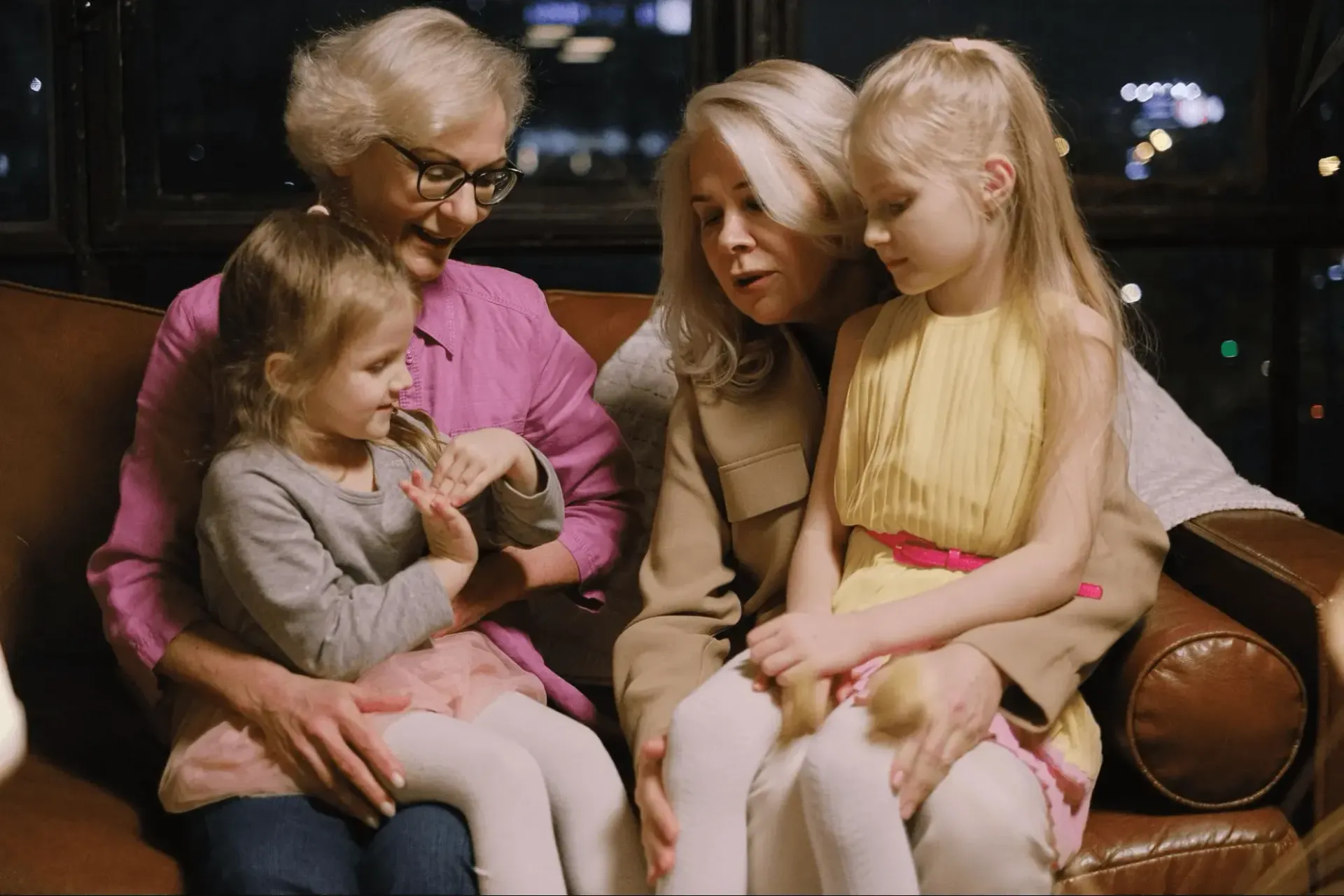
If there is no surviving spouse or civil partner, biological and legally adopted children will generally inherit equally.
Children from different relationships are treated in the same way. If one of your children dies before you but leaves children of their own, those descendants may inherit the share their parent would otherwise have received.
Do Stepchildren Automatically Inherit?
An unadopted stepchild does not automatically inherit under the intestacy rules.
The rules do not consider the length or closeness of the relationship. Foster children, friends and charities also have no automatic entitlement.
What If a Child Is Under 18?
If a child inherits while under 18, their share will normally be held on the statutory trusts that apply until they become entitled to it.
Without a will, you cannot choose a later inheritance age or select the trustees you would prefer to manage the money. A will can also record who you would like to appoint as a guardian for children under 18, subject to parental responsibility and the other legal rules that apply.
Who Deals With the Estate When There Is No Will?
A valid will normally appoints executors. Without one, nobody has been personally chosen by you to administer the estate.
The closest entitled relative can usually apply for letters of administration and become the administrator. Priority normally begins with a surviving spouse or civil partner, followed by adult children. An unmarried partner cannot apply solely because they lived with the person who died.
Depending on the estate, the administrator’s responsibilities may include:
- Locating and valuing assets.
- Identifying debts and liabilities.
- Establishing whether inheritance tax must be reported or paid.
- Applying for authority to administer the estate.
- Settling debts, expenses and taxes.
- Distributing the remaining estate.
A formal grant is not required for every estate. Official guidance on
applying for probate without a will explains who may apply.
Does the Family Home Automatically Pass to Your Partner?

Not necessarily. The outcome depends on how the property is owned.
Beneficial Joint Tenants
If a property is owned as beneficial joint tenants, the deceased owner’s interest normally passes automatically to the surviving joint owner through the right of survivorship.
Tenants in Common
If a property is owned as tenants in common, each owner has a separate share. The deceased person’s share forms part of their estate and may pass under the intestacy rules.
The government’s guidance on
joint property ownership explains the difference. Check how a property is registered or seek appropriate advice before assuming how it will pass.
Can Dying Without a Will Affect Inheritance Tax?
Dying without a will does not automatically mean that more Inheritance Tax will be payable. However, the intestacy rules may not reflect your wider estate-planning objectives.
A will can form part of wider planning, but making one does not by itself guarantee that less tax will be due.
Specialist advice may be appropriate for estates containing substantial property, business assets, trusts, overseas interests or significant lifetime gifts.
Our information about Inheritance Tax planning outlines some of the matters families may wish to consider. Complex tax questions should be referred to an appropriately qualified tax or legal professional.
What Else Do You Lose Control Over Without a Will?
Without a valid will, you cannot personally:
- Appoint your preferred executors.
- Leave assets to an unmarried partner or friend.
- Provide directly for an unadopted stepchild.
- Leave a gift to a charity.
- State who should receive particular possessions.
- Record your preferred guardian for children under 18.
- Create tailored arrangements for vulnerable beneficiaries.
- Choose a later inheritance age for a young beneficiary.
- Name replacement beneficiaries.
Verbal wishes and informal notes are not a reliable substitute for a will that meets the legal requirements. A handwritten will may be valid, but only if it has been prepared, signed and witnessed correctly.
Record Your Wishes With a Valid Will
When there is no valid will, the law applies a fixed order of inheritance. That order cannot reflect every relationship, responsibility or personal intention.
A properly prepared will allows you to record:
- Who should inherit assets passing under the will
- Who you would like to appoint as your executors
- Who you would prefer to appoint as a guardian
- How younger or vulnerable beneficiaries should be provided for
- Who should receive important possessions
- What should happen if a beneficiary dies before you
These instructions remain subject to the law, asset ownership and any valid claim against the estate.
Through our will writing service, we discuss your family circumstances, the assets you own and the people you want to provide for. We then prepare a draft will for you to check and provide guidance on signing and witnessing the completed document.
This may be particularly relevant if you are unmarried, have stepchildren, own property with another person, have children from an earlier relationship or want to leave gifts to friends or charities.
Visit our
Will Writing Service page
to learn more about the process, or
contact Maplebrook Wills to arrange an initial conversation.

Find out who pays inheritance tax in the UK, when beneficiaries may be liable and how payment works for estates, gifts and trusts, with practical guidance.

Not sure when to begin estate planning? Learn which life changes matter, what arrangements to consider and how to plan ahead for the people you care about.
Learn when probate may still be needed after someone leaves a will, what can affect the process, and when executors may benefit from professional guidance.
What is a lasting power of attorney? Understand the two types of LPA, who you can appoint and how they may help if you lose capacity.